
Can Smart Home Security Reduce Your Insurance Costs?

Introduction
In an age where technology influences nearly every aspect of our lives, the emergence of smart home security systems has reshaped how homeowners approach safety and ease within their living spaces. Beyond offering peace of mind, these systems can significantly impact homeowners' insurance costs. For many families, first-time homeowners, and seniors, understanding how smart home security and insurance discounts work is crucial for budgeting and maximizing savings. This article will delve into whether a home security system can genuinely lower your home insurance costs and the practical steps you can take to secure those discounts.
The Link Between Smart Home Security and Insurance Discounts
Understanding Your Home Insurance Policy
Homeowners insurance serves as a protective barrier against disasters, theft, and other unforeseen events. However, insurance providers often assess risk factors when determining premiums. By installing a smart home security system, you can actively reduce those risks, potentially leading to lower costs.
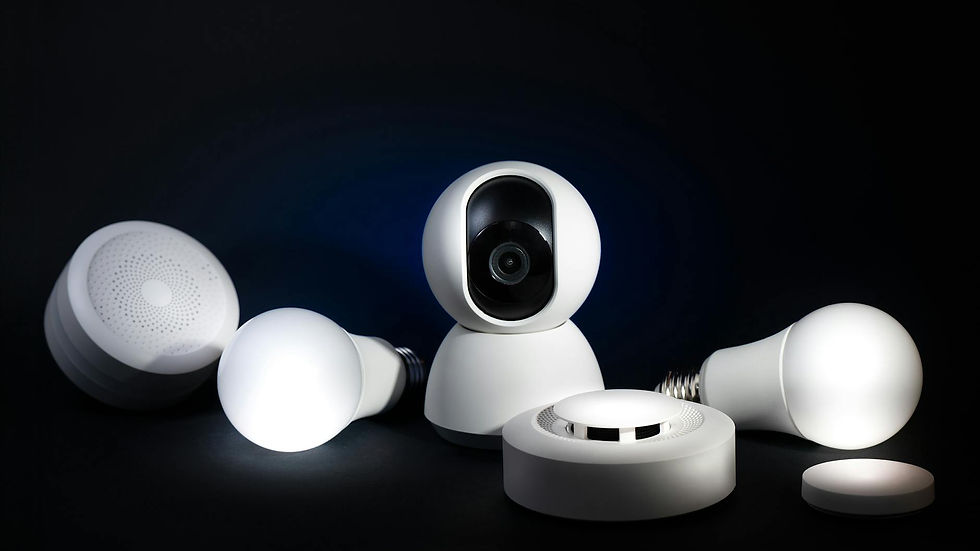
Smart home security systems encompass a range of devices such as surveillance cameras, motion sensors, doorbell cameras, and alarms, all of which work together to enhance safety. Insurance companies recognize that homes equipped with these technologies are less likely to suffer losses due to burglary, vandalism, or fire.
How Insurance Companies Calculate Premiums
Insurance companies calculate premiums based on numerous factors, including:
- The home's location and neighborhood crime rates
- The replacement cost of the home
- Claim history of the homeowner
- Safety features like smoke detectors and security systems
- The homeowner's credit score
By installing smart technology, you effectively reduce the “risk” factor associated with your property. Insurance providers may further incentivize this by offering discounts to policyholders who proactively enhance their home security.
Types of Smart Home Security Systems
When considering smart home security and potential insurance discounts, it’s crucial to understand the various systems and components available on the market:
Surveillance Cameras
High-definition cameras that monitor both the exterior and interior of your home can deter burglaries and provide vital evidence if an incident occurs.
Alarm Systems
Smart alarms, often connected to your smartphone, alert you of any suspicious activity and can even notify local authorities in real-time.
Smart Door Locks
Keyless entry provides both convenience and security, allowing you to monitor who enters and exits your home and set temporary access codes for guests.
Motion Sensors
These devices detect movement in strategic areas around your home, triggering alarms or camera recordings if someone enters a restricted area.
Smart Smoke Detectors
Not only do these devices alert you to smoke or carbon monoxide, but they can also communicate with your other devices, enhancing response time and safety.
Benefits of Smart Home Security for Insurance Discounts
Reduced Risk of Theft
A major benefit of smart home security systems is their ability to deter burglaries. Homes without security systems are significantly more likely to be targeted, while visible security cameras and smart door locks provide a deterrent effect.
Studies show that homes with security systems are eligible for premiums that are 10-20% lower than comparable homes without such features. This reduction can mean substantial savings over time.
Faster Response to Emergencies
Smart home security systems often allow for immediate alerts during emergencies, whether due to fire, intruders, or other threats. Quick response times minimize damage and loss, benefiting both you and your insurance provider.
Higher Property Value
Smart home security not only lowers insurance costs but can also enhance the overall value of your home. Potential buyers often view such systems as desirable features, providing an edge in the real estate market.
Steps to Secure Insurance Discounts
Consult with Your Insurance Provider
Before investing in a smart home security system, speak with your insurance provider. Some may require a specific type of system or documentation to secure discounts. Ensure you compare policies to find the best coverage.
Document Your Devices
When you install a smart home security system, keep all receipts, warranties, and documentation. This evidence may be necessary when applying for discounts on your insurance policy.
Provide Regular Updates
If you modify or upgrade your security system, inform your insurance company. Regular updates regarding improvements to your home’s safety measures can yield additional discounts.
Review Your Home Insurance Regularly
Homeowners should frequently review their insurance coverage. Changes in market trends, home improvements, and upgrades, like smart security systems, may warrant a renegotiation of premiums.
The Real Cost of Smart Home Security Systems
While the cost of installing a smart home security system can vary, it's worthy to consider it an investment that may pay for itself over time through insurance savings. Generic packages may range from a few hundred to several thousand dollars, depending on the systems you choose.
Cost-Benefit Analysis
Conducting a cost-benefit analysis can help determine if investing in these technologies is worthwhile. Weigh the upfront costs of installation against potential savings on your insurance premiums and increased property value.
Common Misconceptions
"All Security Systems Guarantee Discounts"
Not all smart home security systems qualify for insurance discounts. Ensure you consult with your insurer beforehand to understand what systems and components qualify.
"Insurance Discounts Are Always Large"
While discounts related to smart home security systems are beneficial, they are not always significant. Rates can vary greatly based on the provider, region, and specifics of the systems installed.
Conclusion
Investing in smart home security systems goes beyond just reinforcing your home against threats; it can also lead to genuine financial benefits, including potential insurance discounts. As a homeowner, understanding the connection between smart home security and insurance savings empowers you to make informed choices tailored to your needs and budget.
Whether you're a first-time homeowner or looking to improve your existing home security apparatus, start by researching your insurance policy and costs associated with various smart systems. In doing so, you not only secure your home but also pave the way for savings that can truly enhance your quality of life.
Frequently Asked Questions
What types of smart home security systems qualify for insurance discounts?
Most insurance companies recognize various smart home security systems, including surveillance cameras, alarm systems, smart locks, and motion detectors. However, it is essential to confirm with your provider which systems specifically qualify for discounts.
How much can I save on my home insurance with a smart security system?
Depending on the insurance provider and the security system selected, homeowners can typically expect to see premium reductions ranging from 10-20%. The actual savings will depend on factors such as location, previous claims, and specific coverage.
Do I need to inform my insurance provider about my smart security system?
Yes, you should inform your insurer upon installing a smart security system. Providing documentation and details regarding the system can help ensure you receive applicable discounts.
Are all home security systems effective at reducing insurance costs?
Not all systems will lead to insurance discounts. Coverage may differ depending on the type, quality, and features of the system. Therefore, consulting your insurance company for their specific requirements is crucial.
How often should I review my insurance and security systems?
It is advisable to review your home insurance annually or when making significant upgrades to your home security systems. This ensures you maximize any potential savings and maintain adequate coverage.


Comments